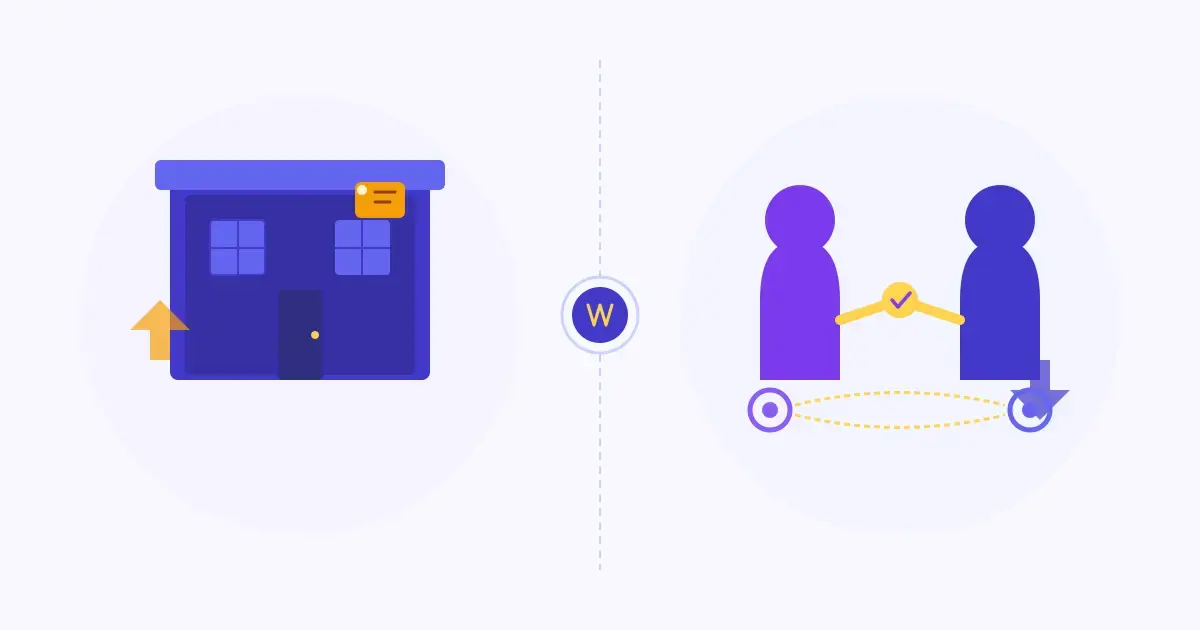
Trade-In vs. Peer-to-Peer Gear Swap: Which Gets You More for Your Music Gear?
Published on August 31, 2026You have a guitar you no longer play, an amp that no longer fits your setup, or a synth that has been sitting in the corner for six months. You know you want something different. The question is how to get there.
Two paths come up most often: trade it in at a music store, or swap it directly with another musician online. Both can work. But they are not the same deal, and the difference matters more than most players realize before they hand over their gear.
This guide breaks down what each option actually looks like in practice — the value, the risk, the process, and the protection — so you can make the right call for your situation.
What a Trade-In Actually Means
A trade-in is simple on the surface. You bring your gear to a music store, they assess it, and they offer you store credit or cash toward something in their inventory. You walk out with new gear the same day.
The appeal is obvious: no listing, no messaging strangers, no shipping, no waiting. If you want a fast, low-friction transaction, a trade-in delivers that.
The catch is value. A store is not trading for your benefit alone. It has to inspect the gear, price it for resale, display it, and eventually sell it at a margin. That margin comes out of what they offer you. For common, easy-to-move gear, you might get 40–60% of the used market value. For niche or older equipment, the offer can be lower.
That gap is not a scam. It is the cost of convenience. The store is absorbing the risk of reselling your gear, and you are paying for the speed and simplicity of the transaction.
What a Peer-to-Peer Gear Swap Actually Means
A peer-to-peer swap is a direct exchange between two musicians. You list your gear, find someone with something you want, agree on terms, and trade. No store markup, no middleman taking a cut.
The value potential is higher. When you trade directly with another musician, you are working with real market value on both sides. A guitar worth $800 in the used market can trade for something worth $800 in the used market. You are not losing 30–40% to a store’s resale margin.
The trade-off is process. You have to find the right match, negotiate terms, handle shipping, and trust that the other person will follow through. In informal settings — social media groups, classifieds threads, direct messages — that trust is entirely self-managed. And that is where things go wrong.
Scams, ghosting, misrepresented condition, and shipping disputes are real problems in unstructured peer-to-peer trading. The value advantage disappears fast if you ship your gear and the other side goes quiet.
The Value Gap: How Much Are You Actually Leaving on the Table?
Let’s put some numbers to it.
Say you have a mid-range electric guitar with a used market value of $700. Here is roughly what each path looks like:
- Trade-in at a store: You might receive $350–$450 in store credit, depending on the model, condition, and how easily the store can move it.
- Peer-to-peer swap: You can trade it for something worth $650–$750 in the used market, keeping the full value on both sides of the deal.
That is a meaningful difference — potentially $200–$300 in gear value — on a single transaction. For higher-value instruments, boutique pedals, or studio equipment, the gap widens further.
The store trade-in is not a bad deal if speed and simplicity are your priorities. But if getting the most out of your gear matters, peer-to-peer trading is the stronger option — provided the transaction is handled safely.
Where Trade-Ins Win
There are real situations where a store trade-in is the right call:
You want it done today. No listing, no waiting for a match, no back-and-forth. If you are upgrading at the store and want to apply your old gear toward the purchase in the same visit, a trade-in is hard to beat for convenience.
The gear is common and easy to move. Stores are comfortable with popular models they know they can resell. If you have a Fender Stratocaster or a Boss DS-1, the offer will likely be reasonable relative to the hassle saved.
You do not want to deal with shipping. Packing and shipping a tube amp or a drum kit is not trivial. If the logistics feel like too much, a local trade-in removes that entirely.
The gear has issues. Stores can still take gear with cosmetic wear or minor problems. In a peer-to-peer swap, condition matters more because the other musician is not buying for resale — they are buying to use it.
Where Peer-to-Peer Swaps Win
For most musicians who want to maximize what they get from their gear, a direct swap has the edge:
You keep the full market value. No store margin means both sides of the trade work with real used-market prices. That is a significant advantage on anything worth more than a few hundred dollars.
You can find exactly what you want. A store’s inventory is limited to what they have in stock. In a peer-to-peer marketplace, you are searching across a much larger pool of gear and can hold out for the specific model, configuration, or condition you actually want.
You can trade across categories. A store may not take your synth toward a guitar purchase, or your recording interface toward an amp. Peer-to-peer trading is flexible — if both sides agree on value, the swap works.
You build a trading history. On a platform with reputation scores and reviews, every completed trade adds to your credibility as a trader. That makes future trades easier and gives you access to better partners over time. You can read more about how this works in Why Reputation Scores for Sellers Matter.
The Risk Factor: Why Platform Choice Matters for Peer-to-Peer
The value advantage of peer-to-peer trading is real, but it only holds if the transaction is protected. This is where most informal swaps fall apart.
When you trade through a social media group or a classifieds thread, you are relying entirely on the other person’s goodwill. There is no deposit, no delivery confirmation, no structured terms, and no one to call if the gear arrives damaged or does not arrive at all.
A dedicated platform changes that equation. What a Gear Swap Platform Should Protect outlines the key safeguards that separate a controlled transaction from a gamble: deposits that give both sides skin in the game, delivery confirmation that keeps funds protected until both traders verify receipt, documented terms that remove ambiguity before anything ships, and human-led dispute resolution when something goes wrong.
Without those protections, the value advantage of peer-to-peer trading is offset by the risk you are absorbing. With them, you get the best of both worlds: the higher value of a direct swap and the accountability of a structured process.
How Bartr Bridges the Gap
Bartr was built specifically for this problem. It is a peer-to-peer music gear trading platform that adds the protections that make direct swaps actually work.
When you trade on Bartr:
- Both traders put down a deposit before anything ships, so both sides have real accountability from the start.
- Funds stay protected until both traders confirm delivery and condition.
- Trade terms are documented — what each side is sending, any value difference, condition claims — so there is no room for “I thought we agreed.”
- Reputation scores and reviews let you see a trader’s history before you commit. A musician with ten completed trades and strong reviews is a very different partner than an anonymous account with no history.
- Human-led dispute support is available if something goes sideways — not a bot, not a form, but real help when the situation requires judgment.
The result is a peer-to-peer swap that captures the value advantage of trading directly while removing the risks that make informal swaps unreliable. You can explore how the platform compares to other options in the 7 Best Gear Swap Websites for Musicians guide.
Making the Decision: A Simple Framework
Here is a practical way to think about it:
Choose a trade-in if:
- You want the transaction done today with no logistics
- The gear is a common model and the store offer is reasonable
- You are upgrading at the same store and want to apply credit immediately
- The gear has condition issues that would complicate a peer-to-peer listing
Choose a peer-to-peer swap if:
- Maximizing the value of your gear matters
- You want a specific piece of gear that a store may not carry
- You are trading higher-value instruments, boutique pedals, or studio equipment
- You are willing to spend a little time finding the right match
And if you go the peer-to-peer route, use a platform that protects the transaction. The value advantage only holds when the swap is structured, documented, and backed by real accountability on both sides.
The Bottom Line
A store trade-in is fast and simple, but you pay for that convenience in value. A peer-to-peer swap gives you more for your gear — but only if the transaction is handled safely.
For musicians who want to get the most out of every trade, the answer is not to avoid peer-to-peer trading. It is to do it on a platform built to make it work. That means deposits, delivery confirmation, reputation scores, and real support when you need it.
Bartr was built for exactly that. If you are ready to trade smarter, browse listings or sign up for free at bartr.co and see what your gear is worth in a real, protected swap.